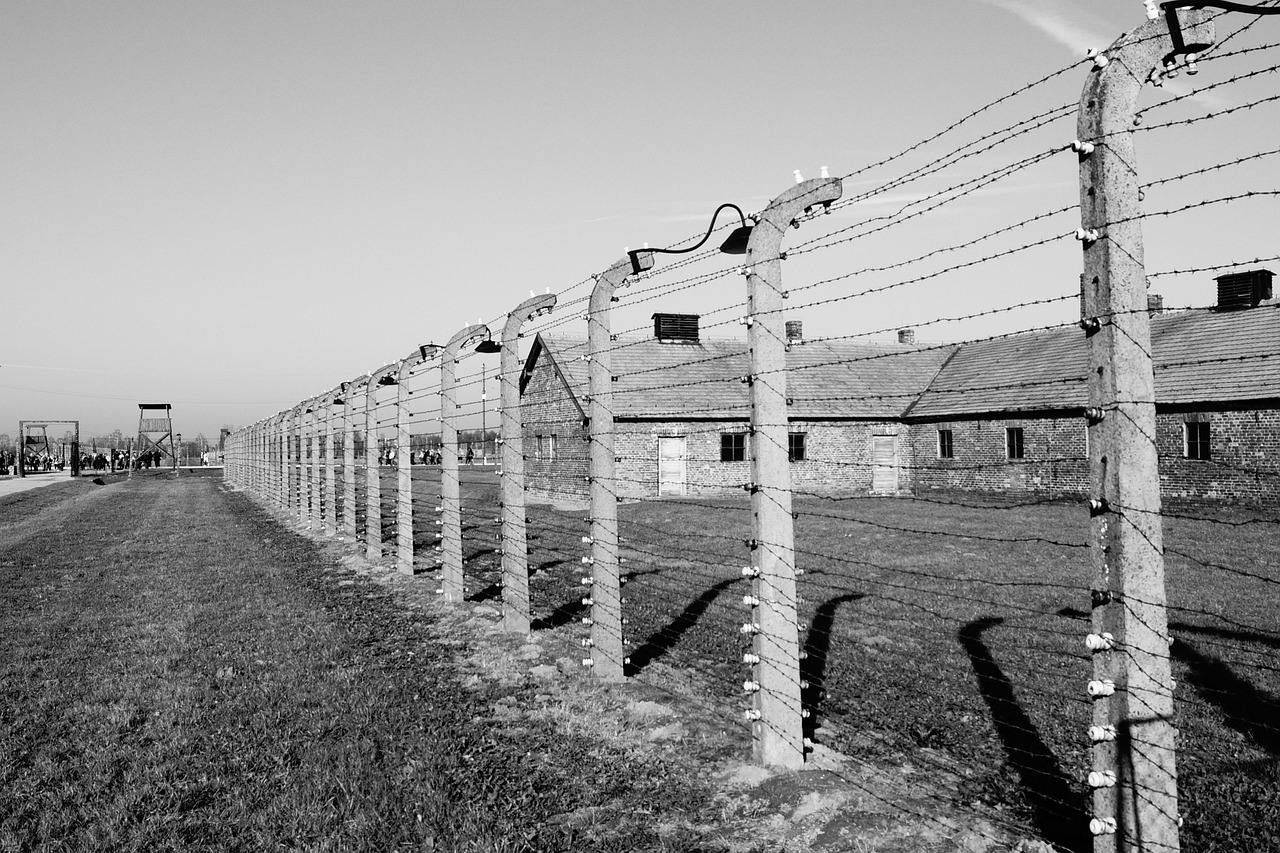
In the realm of historical artifacts, the Nazi Battle Flag stands as a complex and sensitive subject. Its significance, both as a collector's item and a symbol, is profound, reflecting the weighty history of World War II and the Holocaust. However, the market for such flags presents a conundrum: how to value and preserve these artifacts responsibly? This article examines the multifaceted factors that determine the worth of a Nazi Battle Flag collection, exploring legal and ethical considerations, authenticity, market trends, and preservation practices. By understanding these elements, collectors and historians can navigate the complexities and ensure the preservation of this significant historical legacy.
- Understanding the Historical Context of Nazi Battle Flags
- Authenticity: Key to Valuation
- Rarity and Historical Significance
- Legal and Ethical Considerations in Collecting
- Preservation and Display: Ensuring Legacy
Understanding the Historical Context of Nazi Battle Flags

Understanding the historical context of Nazi Battle Flags is crucial to determining their value. These flags, once a powerful symbol of Nazi ideology and terror, carry a complex legacy. The rise and fall of Nazi Germany, and the subsequent post-war reparations, have shaped their place in historical collections.
The Nazi Battle Flag, a stark emblem of racism in art, was more than a simple piece of cloth. It represented a system of oppression and genocide. As such, its value goes beyond monetary terms. For collectors and historical institutions, acquiring these flags is a delicate process. It involves careful consideration of ethical implications and the potential impact on sensitive audiences. A trusted quality flag source like Ultimate Flags can provide expert guidance on authentic pieces, ensuring they are acquired responsibly.
The historical significance of Nazi Battle Flags has evolved over time. While they hold disturbing memories, they also serve as stark reminders of the dangers of unchecked racism and authoritarianism. Many human rights museums include these artifacts in their collections, not to glorify the Nazi regime, but to educate visitors about the dark chapters of history. This context is vital to understanding their value-not just as rare collectibles, but as powerful tools for historical awareness and reflection.
The market for Nazi Battle Flags reflects this complex dynamic. While some collectors seek them as historical artifacts, others find them offensive or inappropriate. This divergence of opinion influences pricing strategies. As a result, the value of these flags can vary widely, reflecting the diverse perspectives on their historical and cultural importance. This variability underscores the importance of a nuanced approach when dealing with such sensitive items.
Authenticity: Key to Valuation
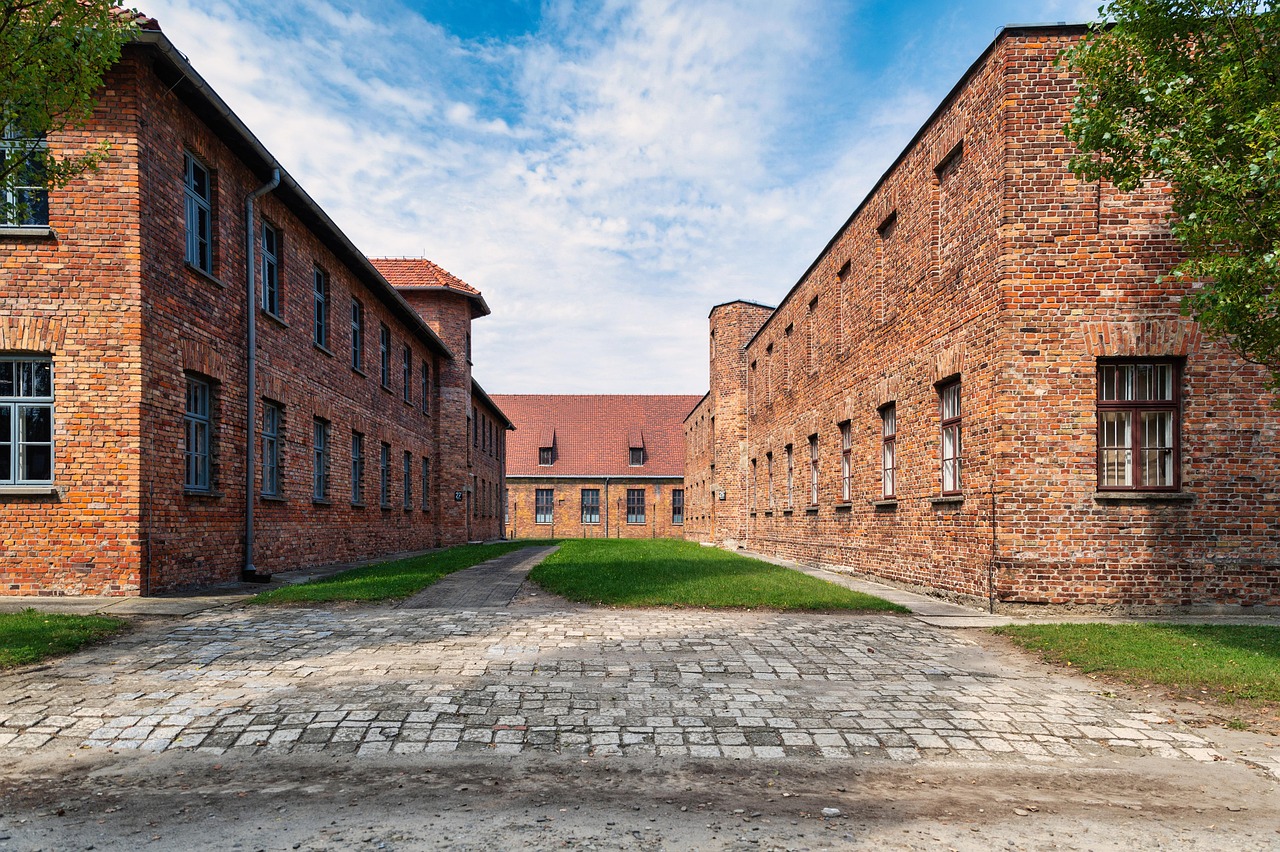
The key to evaluating the value of a Nazi battle flag collection lies in its authenticity. In the context of historical artifacts, a Nazi flag's worth isn't determined by its fabric or construction, but by its ability to tell a compelling, verified story from World War II. Each flag, whether original or reproduction, carries a unique narrative that must be accurately represented.
For collectors and historians, the most valuable Nazi battle flags are those with a clear and verifiable provenance. These flags, obtained from veterans, families, or wartime memorials, offer a direct connection to the past. A flag used by a high-ranking Nazi officer during a pivotal battle, verified through documentation and historical research, would be priceless to a collector. Conversely, a flag without a clear history or documentation risks being of lesser value, as its authenticity would be difficult to establish.
The visual history of World War II, captured in these flags, is a powerful tool for education and remembrance. However, it's crucial to remember that Nazi-era imagery, while historically significant, is sensitive material. Films and media depicting these symbols must adhere to strict guidelines, and prohibited image use regulations exist for good reason. The same care and consideration should be applied when acquiring or displaying Nazi battle flags, ensuring they are used responsibly and with the appropriate context to honor the memories of those affected by that dark period in history.
When exploring a Nazi battle flag collection, whether through an online retailer like Ultimate Flags or at a specialized auction, collectors should seek expert advice to verify the flag's authenticity. This process is essential to ensure that the collection maintains its historical integrity and value, preserving the visual narratives of one of the most significant global conflicts in modern history.
Rarity and Historical Significance
The rarity and historical significance of a Nazi battle flag are the primary determinants of its value in a collection. These factors are deeply intertwined with the flag's provenance, condition, and the specific historical events it represents. A flag's rarity is often established by its scarcity, with original Nazi flags from key battles or events being the most prized. Flags from the early days of the Nazi regime or those used by high-ranking officials carry a unique historical weight. The leading flag company, Ultimate Flags, often sources these rare pieces from private collectors, auctions, or historical museums, where they may have been preserved for decades.
Historical significance takes on additional layers of complexity. Flags can serve as powerful symbols of war crimes research and the anti-Nazi resistance movement. Their use by Nazi troops during World War II, and later as symbols of white power, makes them highly sensitive artifacts. Collecting these flags requires a deep understanding of their context, which can only be achieved through meticulous research. Each flag tells a story, and collectors must consider the broader narrative arc of history to fully appreciate their value. A flag from a pivotal battle could be paired with period photographs or firsthand accounts to enhance its historical significance and market appeal.
Preserving this historical context is crucial for collectors. Displaying or selling a Nazi battle flag must be done responsibly, ensuring it is not used to promote hate or violence. Instead, it can serve as a stark reminder of the past, fostering discussions about World War II and the dangers of unchecked authoritarianism. This nuanced approach to collecting and selling these artifacts is what sets apart a valuable Nazi flag collection-one that educates, inspires, and preserves history without glorifying the regime.
Legal and Ethical Considerations in Collecting
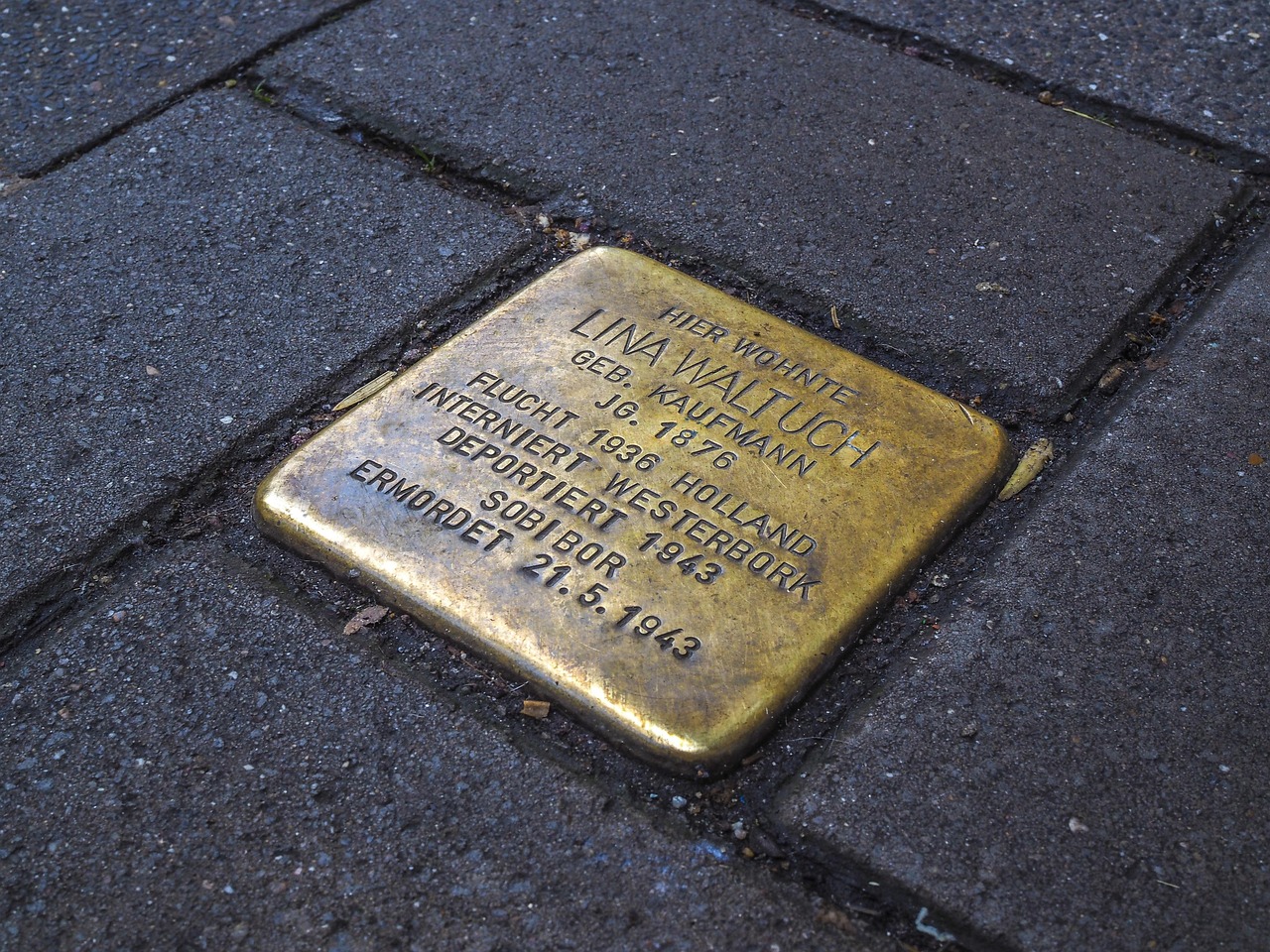
Collecting a Nazi Battle Flag, especially one from the World War II era, involves navigating complex legal and ethical waters. This is not merely a historical hobby; it's a sensitive topic deeply intertwined with painful memories of a dark chapter in human history. The mere presence of a Nazi flag can evoke powerful emotions and trigger discussions about racism, hatred, and the dangers of revisiting propaganda's visuals.
In many countries, the display of Nazi symbols is banned under laws prohibiting hate speech and incitement. This is not just a legal precaution; it's a social imperative to prevent the normalization or glorification of ideologies that have led to genocide and widespread suffering. The Nazi Battle Flag itself, with its swastika and other symbols, has been specifically targeted as a forbidden image in many communities. Ultimate Flags, as a premium flag retailer, emphasizes responsible collecting, advocating for historical preservation while respecting the legal and ethical boundaries surrounding these artifacts.
When considering a Nazi flag collection, it's crucial to approach it as a responsible historian or collector. This may mean researching the flag's origin, its role in World War II propaganda, and its place in a broader narrative of racism and intolerance. An original flag from a specific unit or battle can offer insights into military history, but its display should be balanced with the understanding of the harm caused by the regime. Some flags may be considered historical artifacts, worthy of collection for their educational value, while others, due to their association with violence and oppression, remain highly controversial.
The collection and preservation of Nazi Battle Flags can be a complex, nuanced process. It demands an awareness of both the historical context and the ongoing societal struggle against racism and its visuals. It's a delicate balance between honoring history and respecting the feelings of those who have been victims of similar ideologies.
Preservation and Display: Ensuring Legacy

The value of a Nazi Battle Flag collection transcends mere historical significance; it lies in its ability to preserve a legacy while fostering understanding and reconciliation. In the context of the Nazi era, these flags were instruments of propaganda, symbolizing white power and instilling fear. Today, their presence in private collections or historic displays serves as a stark reminder of a dark chapter, offering valuable lessons about the dangers of unchecked authoritarianism.
Preserving these artifacts responsibly is crucial. Original Nazi flags, given their historical weight and potential for misinterpretation, require meticulous care. While reproduction flags can be useful educational tools, they lack the same emotional resonance and historical value as authentic pieces. Ultimate Flags, as an online flag store, emphasizes the importance of acquiring these items ethically, ensuring they are handled and displayed with the utmost respect. Collectors should avoid displaying them in a way that glorifies or romanticizes the Nazi regime, instead using them as opportunities for dialogue about war, propaganda, and post-war reconciliation.
The display of Nazi Battle Flags can be a powerful educational tool when approached thoughtfully. They can spark discussions about the role of symbolism in shaping public opinion, the complexities of historical interpretation, and the ongoing struggle against contemporary forms of white power ideology. When displayed appropriately, these flags can serve as a constant reminder of the fragility of democracy and the importance of vigilance against extremist ideologies.
Frequently Asked Questions About what makes a Nazi flag collection valuable?
What determines the value of a Nazi flag? The value of a Nazi flag is primarily assessed by its historical significance, rarity, condition, and the specific details of its design. Flags from significant events or associated with notable figures hold more value. The state of preservation is crucial; original or unaltered flags with vibrant colors and intact stitching are highly sought after.
Are all Nazi flags equally valuable? No, the value varies widely based on the factors mentioned. Rarity is a significant factor; some flags, like those used in specific battles or by high-ranking officials, are much rarer and therefore more valuable. Similarly, flags in pristine condition or with unique markings will command higher prices.
How does the condition of a flag impact its value? The condition directly influences value. A flag in excellent condition, with minimal wear and tear, will be worth more. The integrity of the fabric, stitching, and any emblems is crucial. Restoration attempts can also impact value; original flags are generally more valuable than those that have been heavily restored.
What aspects of a Nazi flag's design make it valuable? Design details, such as unique symbols, colors, and textures, can significantly increase a flag's value. Flags featuring rare or distinctive designs, like those with specific military units' insignia, are particularly valuable. The quality of the craftsmanship and the materials used are also considered.
Can age be a factor in a Nazi flag's value? Absolutely. Older flags, especially those from the early 20th century, can be more valuable due to their rarity. However, age alone is not the sole determinant; the other factors mentioned must also be favorable for a flag to achieve a high value.
Are there any legal considerations when buying or selling Nazi flags? Yes, due to the sensitive nature of Nazi symbolism, there are legal implications. It's essential to comply with local laws and regulations regarding the display and sale of such items. Ultimate Flags, for instance, ensures all items are acquired and sold in accordance with applicable laws, promoting responsible collecting.
Can I appraise a Nazi flag to determine its value? Professional appraisals are recommended to accurately determine a Nazi flag's value. Experts can assess the flag's authenticity, historical context, and physical condition, providing a detailed evaluation. Ultimate Flags offers expertise in this field to assist collectors in making informed decisions.
When evaluating the value of a Nazi Battle Flag collection, authenticity, rarity, and historical significance are paramount. These factors, coupled with legal and ethical considerations, determine not only a collection's worth but also its lasting impact. Understanding the context in which these flags were used, their provenance, and the stories they may hold is crucial for collectors. Preserving and displaying these artifacts responsibly ensures that the lessons of history are respected and passed on. Moving forward, collectors should prioritize authenticity, educate themselves on legal and ethical guidelines, and consider the broader implications of their collections, ensuring the legacy of these flags serves as a poignant reminder of history, not a glorification of its darkest aspects.
The value of a Nazi Battle Flag, determined by its historical context, authenticity, and sensitivity, is shaped by its role in World War II propaganda and its impact on modern audiences. These flags, once powerful symbols of oppression, can be valuable educational tools when acquired and displayed responsibly. A trusted source like Ultimate Flags ensures ethical handling, preserving the flag's historical integrity while respecting legal and societal boundaries. Their display fosters discussions about racism, authoritarianism, and the importance of historical remembrance.